
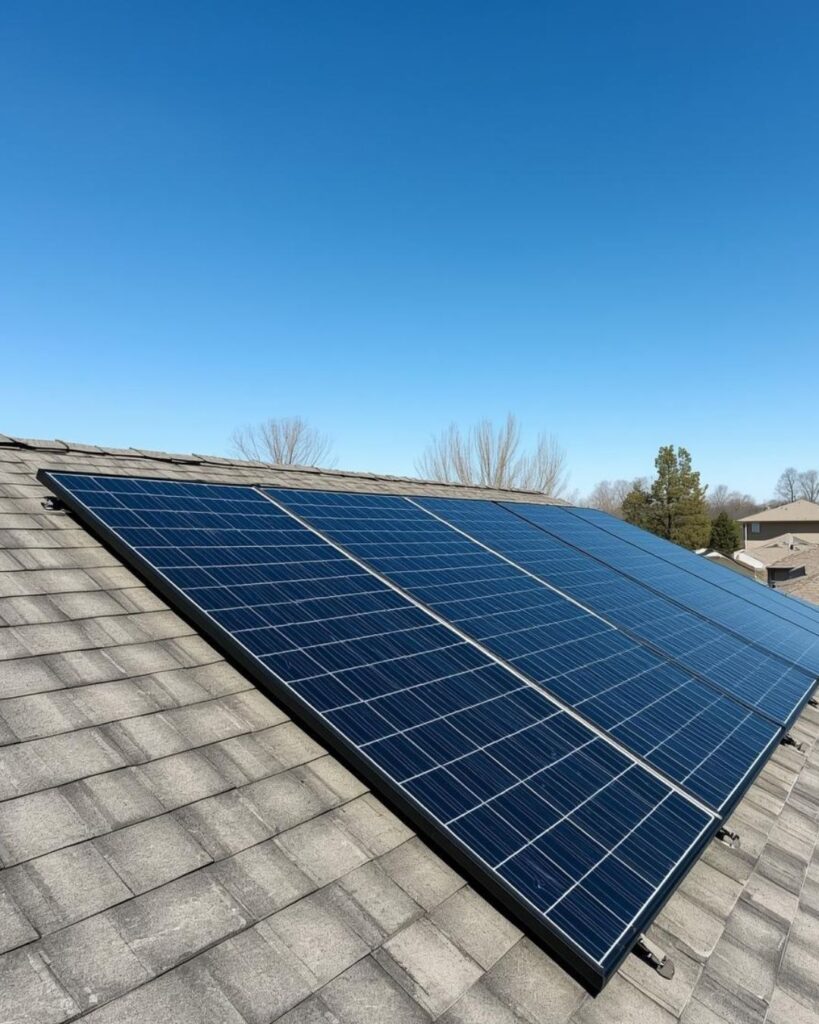
How Much Do Solar Panels Cost to Install in Basingstoke?
The conversation about solar panels has shifted fundamentally over the past few years. What used to be a question about environmental commitment with a payback period stretching into decades is now a straightforward financial calculation that most Basingstoke homeowners find compelling. Domestic electricity costs have risen sharply and show no sign of returning to previous levels. Solar panel prices have fallen consistently as manufacturing has scaled globally. And the technology has matured to the point where modern panels produce meaningful electricity even on the overcast days that the British climate delivers regularly.
The result is a payback period that has shortened dramatically. A well-designed domestic solar installation in Basingstoke now typically pays for itself within five to eight years, and every year after that the electricity your roof generates is effectively free. Over a twenty-five year panel lifespan, the total savings run into tens of thousands of pounds. This guide explains what solar panels cost to install across Basingstoke, what affects the price, how much you can realistically expect to save, and how to get the best value from your investment.
What Does a Solar Panel System Cost?
The total installed cost depends on the system size, which is determined by your roof area, your electricity consumption, and your budget. Here is what different system sizes typically cost across Basingstoke.
A 3kW system — typically eight panels — suits smaller properties or households with lower electricity consumption. This size costs between £5,000 and £7,000 fully installed including panels, inverter, mounting system, electrical integration, and MCS certification. It generates roughly 2,500 to 3,000 kilowatt hours per year, covering approximately 30 to 40 percent of an average household’s annual consumption.
A 4kW system — typically ten to twelve panels — is the most popular size for three to four bedroom houses across Basingstoke and represents the best balance of cost, generation, and roof space for most families. This size costs between £6,500 and £9,000 fully installed. It generates roughly 3,400 to 4,000 kilowatt hours per year, covering approximately 40 to 55 percent of average household consumption.
A 5kW to 6kW system — typically fourteen to eighteen panels — suits larger properties with higher consumption, those planning to add battery storage, or households with electric vehicles where maximising generation reduces overall energy costs significantly. This size costs between £8,500 and £12,000 fully installed. It generates roughly 4,200 to 5,500 kilowatt hours per year.
These prices include everything needed for a working system — the panels themselves, the inverter that converts DC generation into AC electricity your home can use, the roof mounting system, all electrical cabling and integration with your consumer unit, scaffolding for safe roof access, testing, MCS certification, and notification to your distribution network operator.
What Affects the Cost?
The number of panels is the primary cost driver. Each additional panel adds roughly £350 to £500 to the total depending on the brand and specification. More panels means more generation, but the cost per kilowatt hour saved decreases as the system gets larger because certain fixed costs — scaffolding, inverter, electrical integration, certification — do not increase proportionally.
Panel specification varies between manufacturers. Standard panels from established brands like JA Solar, Trina, and Longi produce 400 to 420 watts each and represent excellent value for most domestic installations. Premium panels from manufacturers like SunPower and LG produce slightly more per panel and carry longer warranties, but cost more per watt. For most Basingstoke homeowners, mid-range panels from a reputable manufacturer deliver the best balance of performance, reliability, and cost.
Roof orientation and pitch affect how much the system generates rather than what it costs to install. A south-facing roof at 30 to 40 degrees is the ideal orientation, producing the highest annual output. East or west-facing roofs produce roughly 15 to 20 percent less than south-facing equivalents. An east-west split installation — panels on both sides of a pitched roof — produces slightly less overall but generates more evenly throughout the day, which actually suits household consumption patterns well because you get production in the morning and the evening rather than concentrated around midday.
Roof access and scaffolding add cost on properties where the roof is difficult to reach. Standard scaffolding for a two storey house is included in most quotes. Three storey properties, restricted access, or complex roof layouts may incur additional scaffolding charges.
The inverter converts DC electricity from the panels into AC electricity your home uses. String inverters are the most common and affordable option for straightforward installations. Micro-inverters — one per panel — cost more but optimise each panel independently, which is beneficial on roofs with partial shading where one panel’s reduced output would otherwise drag down the entire string. For most unshaded Basingstoke roofs, a quality string inverter is the right choice.
Electrical integration is straightforward on most properties but can add cost if your consumer unit lacks capacity for the additional circuits or your earthing arrangement needs modification. If a consumer unit upgrade is needed to accommodate the solar system, this typically adds £300 to £800 to the project.
Adding Battery Storage
A battery stores surplus solar electricity for use when the panels are not producing — evenings, overnight, and during cloudy periods. Without a battery, surplus generation is exported to the grid at 4 to 5 pence per kilowatt hour through the Smart Export Guarantee. With a battery, that same electricity is stored and used later when grid electricity would otherwise cost 24 to 28 pence per kilowatt hour. The saving per stored kilowatt hour is roughly 20 to 24 pence — the difference between the export rate and the import rate.
A 5kWh battery — enough to cover evening demand in a smaller household — costs between £2,500 and £4,000 installed alongside a solar system. A 10kWh battery — enough for most three to four bedroom households to get through the evening and into the following morning — costs between £4,500 and £7,000. A 13kWh battery — providing maximum overnight coverage — costs between £5,500 and £8,500.
Battery costs have fallen significantly over recent years but remain a substantial addition to the solar system cost. The financial case for a battery depends on how much surplus solar you generate, how much evening electricity you consume, and your electricity tariff structure. Homeowners on time-of-use tariffs with cheap overnight rates benefit less from battery storage because overnight grid electricity is already inexpensive. Those on standard flat-rate tariffs benefit more because the battery displaces full-price electricity throughout the evening.
For most Basingstoke homeowners installing a 4kW solar system, adding a 10kWh battery extends the payback period by roughly two to three years but increases the total lifetime savings substantially because more of your own generation is consumed rather than exported at a fraction of its value.
How Much Will You Actually Save?
The savings depend on your system size, your electricity consumption, when you use the most electricity, and whether you have battery storage.
A 4kW system without battery on a south-facing Basingstoke roof typically saves £700 to £1,000 per year on electricity bills. This assumes you consume roughly 40 to 50 percent of the generation directly during daylight hours and export the remainder at 4 to 5 pence per kilowatt hour. The payback period at current electricity prices is typically five to seven years.
A 4kW system with a 10kWh battery typically saves £1,000 to £1,400 per year because the battery captures surplus daytime generation for evening use, increasing self-consumption from roughly 45 percent to 75 to 85 percent. The higher system cost means the payback period extends to seven to nine years, but the annual savings are significantly greater once the system is paid off.
Adding an EV charger to the system increases savings further. A solar-compatible charger like the Zappi diverts surplus generation into the vehicle rather than exporting it. On a sunny day, this delivers 20 to 30 miles of free driving range. Over a year of typical commuting, solar-charged driving saves an additional £400 to £800 compared to grid-charged or petrol alternatives.
Over the 25-year warranty period of most modern panels, a 4kW system without battery saves roughly £17,000 to £25,000 in total. With battery, the savings increase to £25,000 to £35,000. These figures assume electricity prices remain at roughly current levels — if prices increase further, which most forecasts predict, the savings compound.
The Smart Export Guarantee
Any electricity your panels generate that you do not use or store is exported to the grid. Under the Smart Export Guarantee, your energy supplier pays you for every exported kilowatt hour. Rates vary between suppliers and tariffs — typically 4 to 15 pence per kilowatt hour depending on the provider and whether the tariff is fixed or variable. Octopus Energy’s Agile export tariff pays variable rates that can exceed 20 pence during peak demand periods.
Choosing the right export tariff increases the value of your surplus generation. We advise on the best available tariffs at the time of installation and help you register with the SEG provider that offers the most competitive rate for your usage pattern.
MCS Certification — Why It Matters
MCS — Microgeneration Certification Scheme — certification confirms that your solar installation meets recognised industry standards for design, installation, and performance. It is not optional if you want to access the Smart Export Guarantee payments, and it is increasingly required by insurers and mortgage lenders as evidence of a compliant installation.
MCS certification requires the installer to be registered with the scheme and the installation to meet specific technical standards. We hold MCS certification and include full certification as standard with every installation. The certification is completed at commissioning and the documentation is provided to you for your records, your insurance, and future property transactions.
Getting the Best Value
Get two or three quotes from MCS certified installers. Ensure each covers the same system size, panel brand, inverter type, mounting system, electrical integration, and certification. Ask specifically whether scaffolding, DNO notification, and MCS registration are included or charged separately.
Choose your system size based on your actual electricity consumption rather than maximising panels for the sake of it. Your installer should review your electricity bills and recommend a system that matches your usage pattern. Oversizing beyond what you can realistically consume or store reduces the financial return per panel.
If you are planning to add battery storage or an EV charger in the future but not immediately, mention this during the design stage. Specifying an inverter with battery compatibility now avoids replacing it later, and ensuring your consumer unit has spare capacity for a future EV circuit saves a second visit.
If you are considering solar panels at your Basingstoke property, get in touch for a free assessment. We will survey your roof, review your energy consumption, design a system that matches your property and your usage, and provide a clear quote covering everything from panels to certification.